
Listen to the episode
Episode Summary
The episode begins by setting the stage against the backdrop of the Great Depression, highlighting the dire circumstances of the era when thousands lost their homes and livelihoods. As soup lines formed in cities across America, the Grand Coulee Dam project was conceived as a way to lift the nation out of despair. With the approval of President Franklin D. Roosevelt, construction began in 1933, promising to transform the arid landscapes of Eastern Washington into fertile farmland. But as Shay and Jody explore, this transformation came at a significant cost.
Listeners learn about the dam's construction, which spanned nearly a decade, and the challenges faced by builders. From massive landslides to the innovative use of refrigerated coolant to stabilize the foundation, the engineering feats achieved at the Grand Coulee are nothing short of remarkable. The dam stands at a staggering 550 feet high and required 12 million cubic yards of concrete—enough to create a sidewalk that could wrap around the equator! Such statistics emphasize the scale of human ambition, yet they also prompt critical reflection on the environmental consequences.
The hosts delve into the darker side of the dam's legacy, particularly its impact on Indigenous communities and the environment. The flooding of ancient burial grounds and the destruction of salmon runs devastated the livelihoods of the Colville and Spokane tribes. The episode poignantly illustrates how the dam, while heralded as an engineering triumph, resulted in the erasure of cultural histories and practices that had thrived along the Columbia River for generations.
Listeners are introduced to key figures in this tale, including the folk singer Woody Guthrie, who famously wrote songs celebrating the dam, and other historical personalities who played pivotal roles in its conception and construction. The episode also touches on the dam's role during World War II, serving as a vital power source for industries, including the controversial Hanford Nuclear Site, which produced plutonium for atomic bombs.
As Shay and Jody wrap up their exploration, they invite listeners to ponder the complex interplay between progress and sacrifice. They pose thought-provoking questions about whose voices are heard in historical narratives and the costs of such monumental projects. This episode of "Rainy Day Rabbit Holes" is not just a history lesson; it’s an invitation to reflect on the rich tapestry of human experience woven through the story of the Grand Coulee Dam.
Join Shay and Jody as they traverse the intricate layers of this Pacific Northwest landmark, inviting you to confront the hidden costs of progress and the stories that deserve to be told. Tune in for a riveting exploration that promises to leave you with more than just facts—it's a journey into the heart of the American experience during one of its most tumultuous times.
In this episode of Rainy Day Rabbit Holes, we dive into the colossal story of the Grand Coulee Dam: a project born in the desperation of the Great Depression, built with sweat and sacrifice, and shadowed by broken promises.
From Hoovervilles to hydroelectric power, boomtown brothels to Woody Guthrie ballads, and even the secret connection between the dam and the atomic bomb, this is history at its most epic and unsettling. We’ll explore the triumphs, tragedies, and the question that lingers today: who really paid the price for progress?
✨ And don’t miss the end of the episode—we’ve got a brand new piece of Patreon fan fiction, starring one of our amazing supporters!
💡 If you like your history wild, weird, and a little unhinged, you’re in the right place.
👉 Listen, review, and support us at:
🌐 rainydayrabbitholes.com
💖 rainydayrabbitholes.com/support
Special thanks to our amazing Patreon supporters for keeping us powered up and rabbit-hole ready.
Episode Gallery
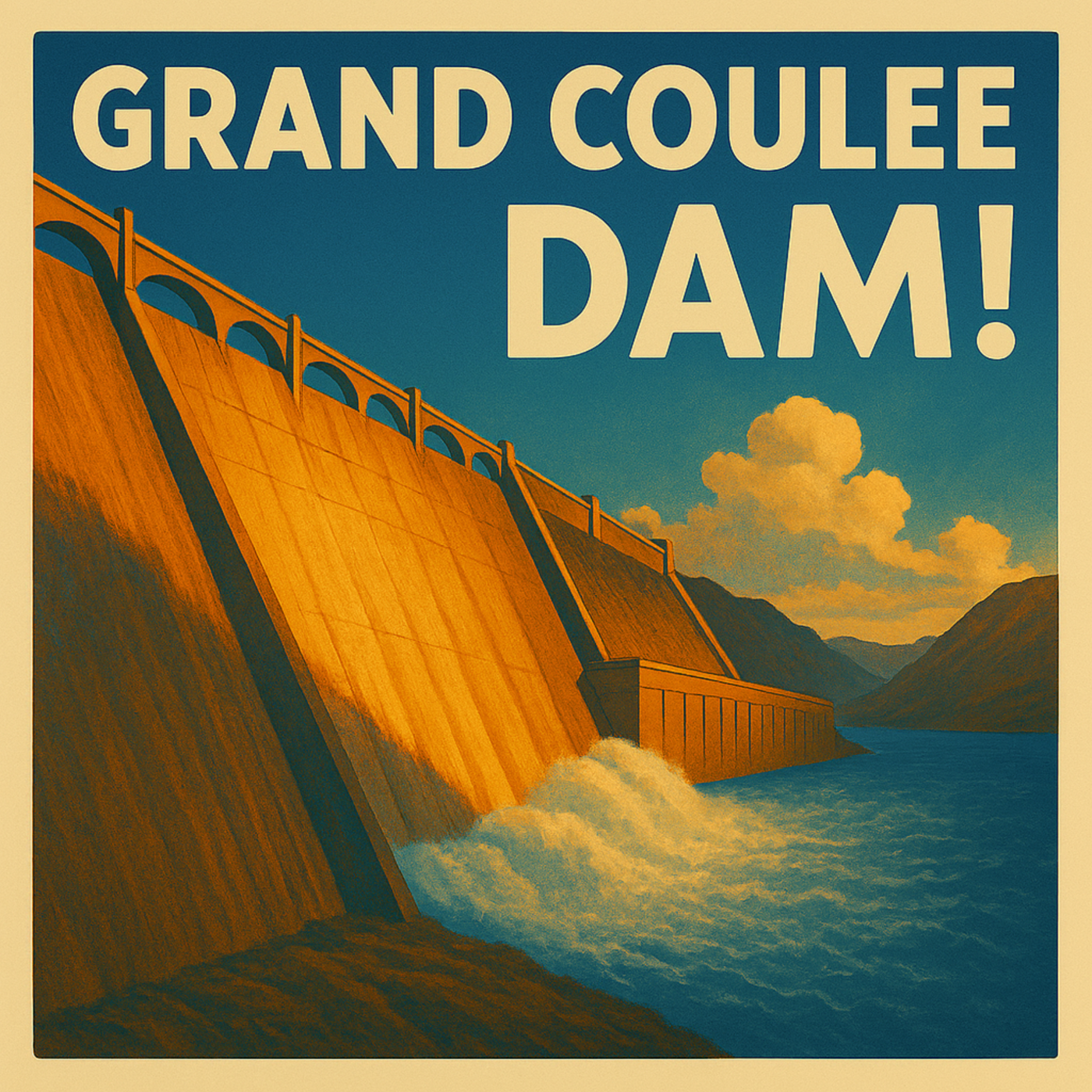
Dark Legacy of the Grand Coulee Dam episode image
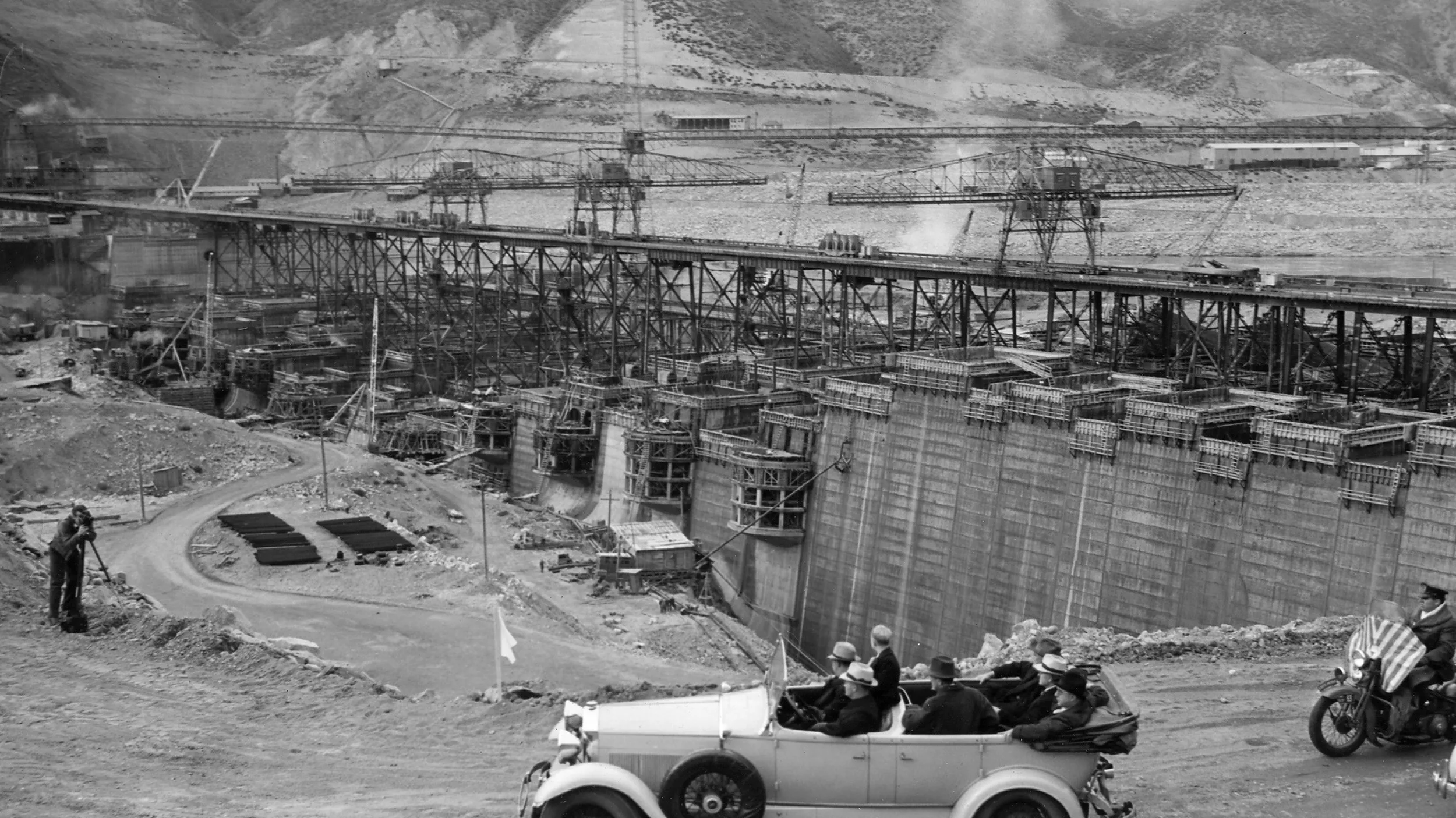
Grand_Coulee_Dam_historical-2
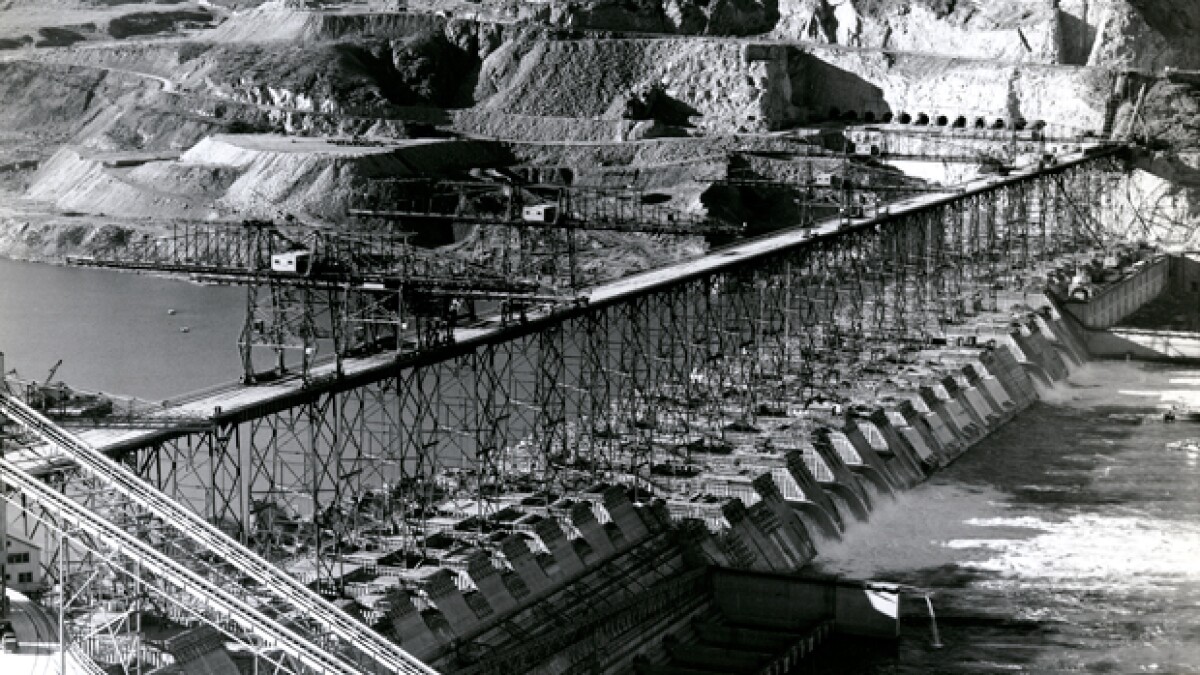
Grand_Coulee_Dam_historical
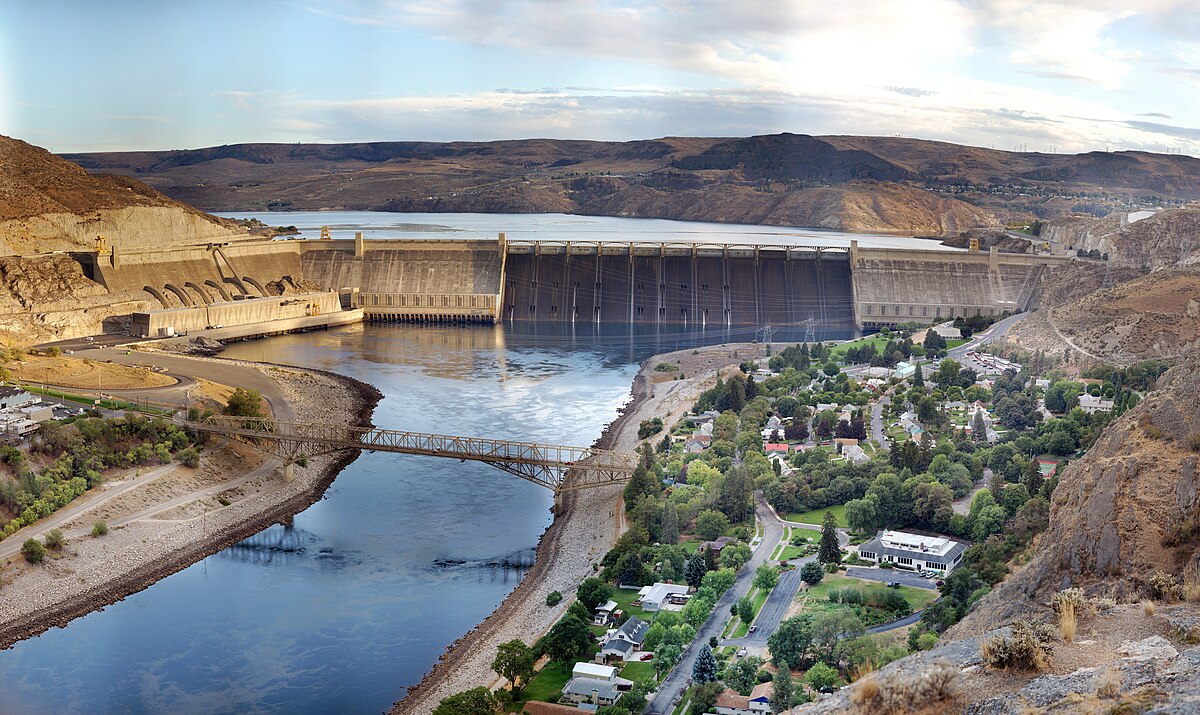
Grand_Coulee_Dam_Panorama
Chapters
Episode Location
Coulee Dam, Washington, United States
Loading map...
Coulee Dam is a town in Douglas, Grant, and Okanogan counties in the state of Washington. The population was 1,211 as of the 2020 census